Swine flu - everything you need to know
Published: Friday, 2 May 2009
Swine flu, or influenza A (H1N1), has arrived in the UK. The sections below provide health and travel advice and more information on what swine flu is and what the government is doing to help combat it.
Saturday, May 2, 2009

How do you catch swine flu?
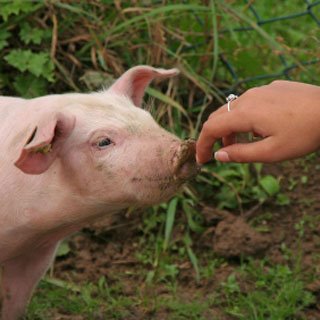
Swine influenza is a disease in pigs.
The virus currently transmitting directly among people is now generally referred to as swine flu although the origin of the disease is still under investigation. There is no evidence of this strain of the disease circulating in pigs in the UK.
Find out more about the cause of swine flu and how it differs from ordinary flu.
The UK was the first European country to have a contingency plan in place for pandemic flu. At both national and local levels the public sector is working on pre-prepared contingency plans to help fight swine flu.
Find out what the government is doing to help combat swine flu and protect everyone living in the UK.
The Foreign and Commonwealth Office (FCO) is advising against all but essential travel to Mexico. If you'd like more travel advice for specific countries, follow the link below to the FCO website.
If you are in Mexico, routine Consular and all visa services at the Embassy in Mexico City have been suspended until further notice. If you have an urgent consular issue, call the British Embassy on (01 55) 5242 8500 for help.
Flu alert levels
Find out exactly what the World Health Organisation (WHO) phases mean and how this can indicate how far the virus has spread.
WHO alert phase: 5
There are six levels.
Phase 1
In nature, flu viruses circulate continuously among animals. Even though such viruses might develop into pandemic viruses, no viruses circulating among animals have been reported to cause infections in humans.
Phase 2
An animal influenza virus circulating among domesticated or wild animals is known to have caused infection in humans, and is therefore considered a potential pandemic threat.
Phase 3
There are small clusters of virus in people, but it has not resulted in human-to-human transmission sufficient to sustain community-level outbreaks.
Phase 4
There are small clusters of people with the virus, but the spread is localised.
Phase 5
Large clusters are discovered but the spread is still localised.
Phase 6
The virus is continually spread amongst people globally, and WHO declares a pandemic.
The virus currently transmitting directly among people is now generally referred to as swine flu although the origin of the disease is still under investigation. There is no evidence of this strain of the disease circulating in pigs in the UK.
Find out more about the cause of swine flu and how it differs from ordinary flu.
The UK was the first European country to have a contingency plan in place for pandemic flu. At both national and local levels the public sector is working on pre-prepared contingency plans to help fight swine flu.
Find out what the government is doing to help combat swine flu and protect everyone living in the UK.
The Foreign and Commonwealth Office (FCO) is advising against all but essential travel to Mexico. If you'd like more travel advice for specific countries, follow the link below to the FCO website.
If you are in Mexico, routine Consular and all visa services at the Embassy in Mexico City have been suspended until further notice. If you have an urgent consular issue, call the British Embassy on (01 55) 5242 8500 for help.
Flu alert levels
Find out exactly what the World Health Organisation (WHO) phases mean and how this can indicate how far the virus has spread.
WHO alert phase: 5
There are six levels.
Phase 1
In nature, flu viruses circulate continuously among animals. Even though such viruses might develop into pandemic viruses, no viruses circulating among animals have been reported to cause infections in humans.
Phase 2
An animal influenza virus circulating among domesticated or wild animals is known to have caused infection in humans, and is therefore considered a potential pandemic threat.
Phase 3
There are small clusters of virus in people, but it has not resulted in human-to-human transmission sufficient to sustain community-level outbreaks.
Phase 4
There are small clusters of people with the virus, but the spread is localised.
Phase 5
Large clusters are discovered but the spread is still localised.
Phase 6
The virus is continually spread amongst people globally, and WHO declares a pandemic.
Subscribe to:
Comments (Atom)